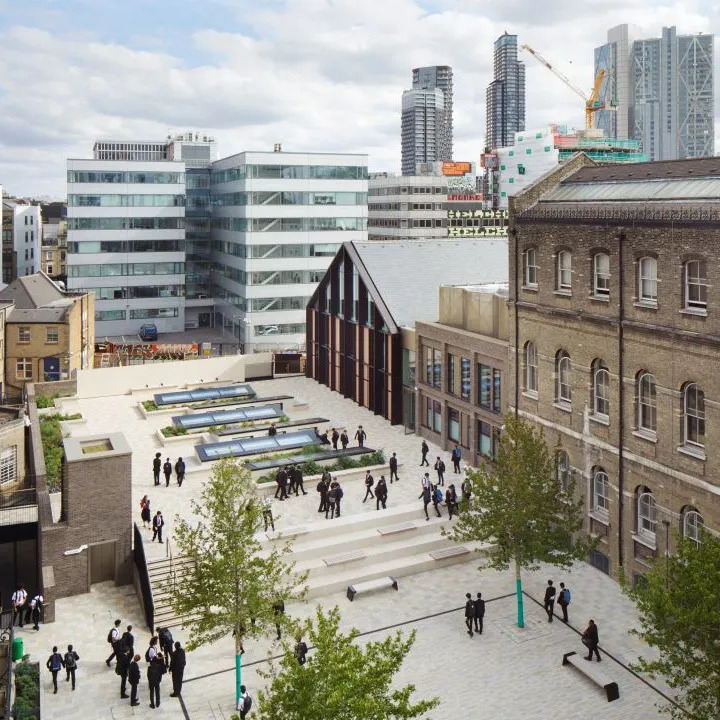
Central Foundation Boys’ School, a top-performing non-selective comprehensive school, has transformed its inner-city campus, providing state-of-the-art learning facilities for students between years 7-11 and sixth form. The decade-long, phased redevelopment consolidated and modernised a fragmented campus, preserving the school’s heritage buildings while maintaining full operational capacity throughout construction.
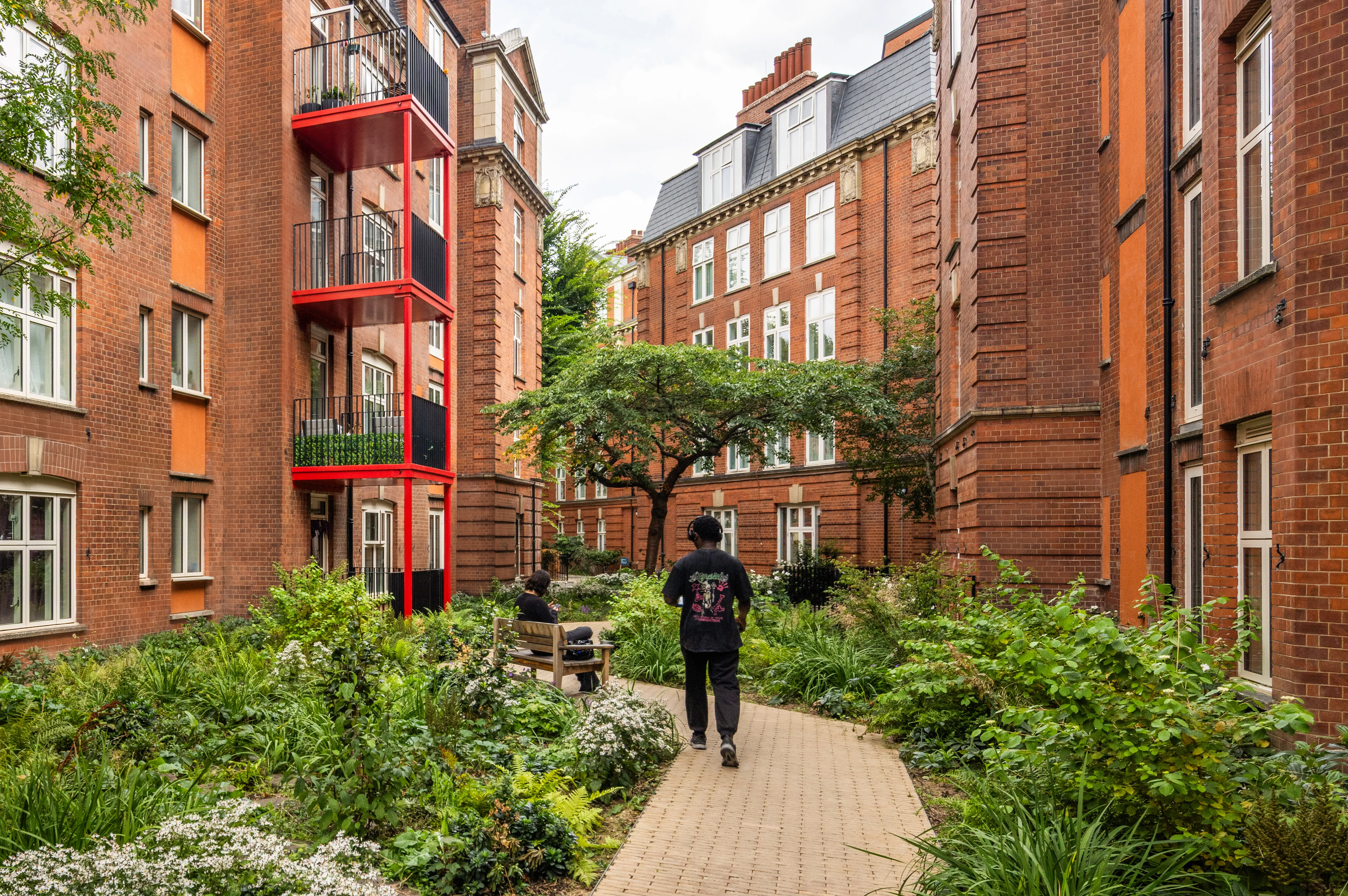
Sutton Estate, Chelsea, one of the UK’;s earliest social housing developments, has been remodelled and refurbished to continue William Sutton’s vision of providing high-quality homes for those in need. Designed with local residents, the 81 affordable and future ready homes are served by ground source heat pumps, reducing carbon emissions and energy consumption.
The transformation of Kidderminster’s Grade II listed Former Magistrates’ Court has brought a once-derelict gateway site back to life as a thriving hub for enterprise, creativity and community activity. Led by Wyre Forest District Council with support from the Future High Streets Fund, the project reopens a cherished historic landmark while equipping it for modern use.
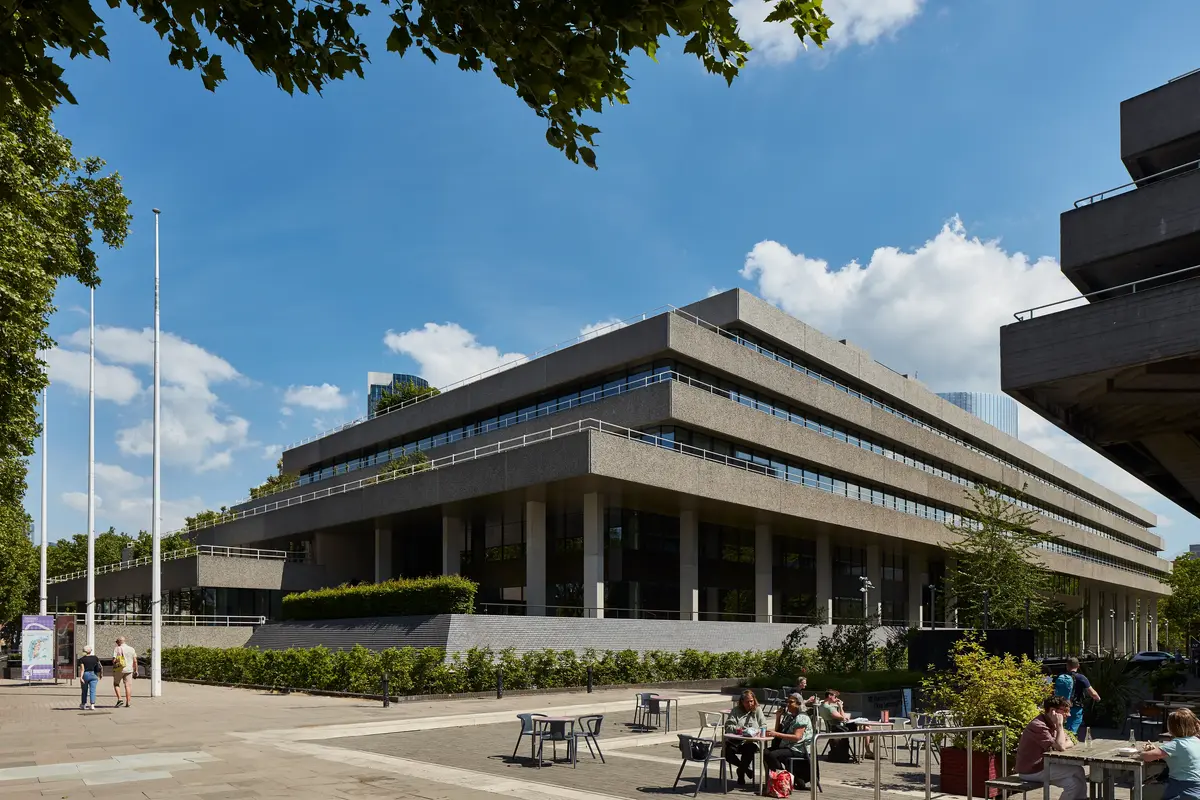
Originally designed by Sir Denys Lasdun, completed in 1983 as the office and marketing building for IBM, the project sees the careful refurbishment and extension of the Grade II listed building to deliver an additional 11,000 square metres of flexible and highly sustainable office space while preserving this important building for the long-term future.
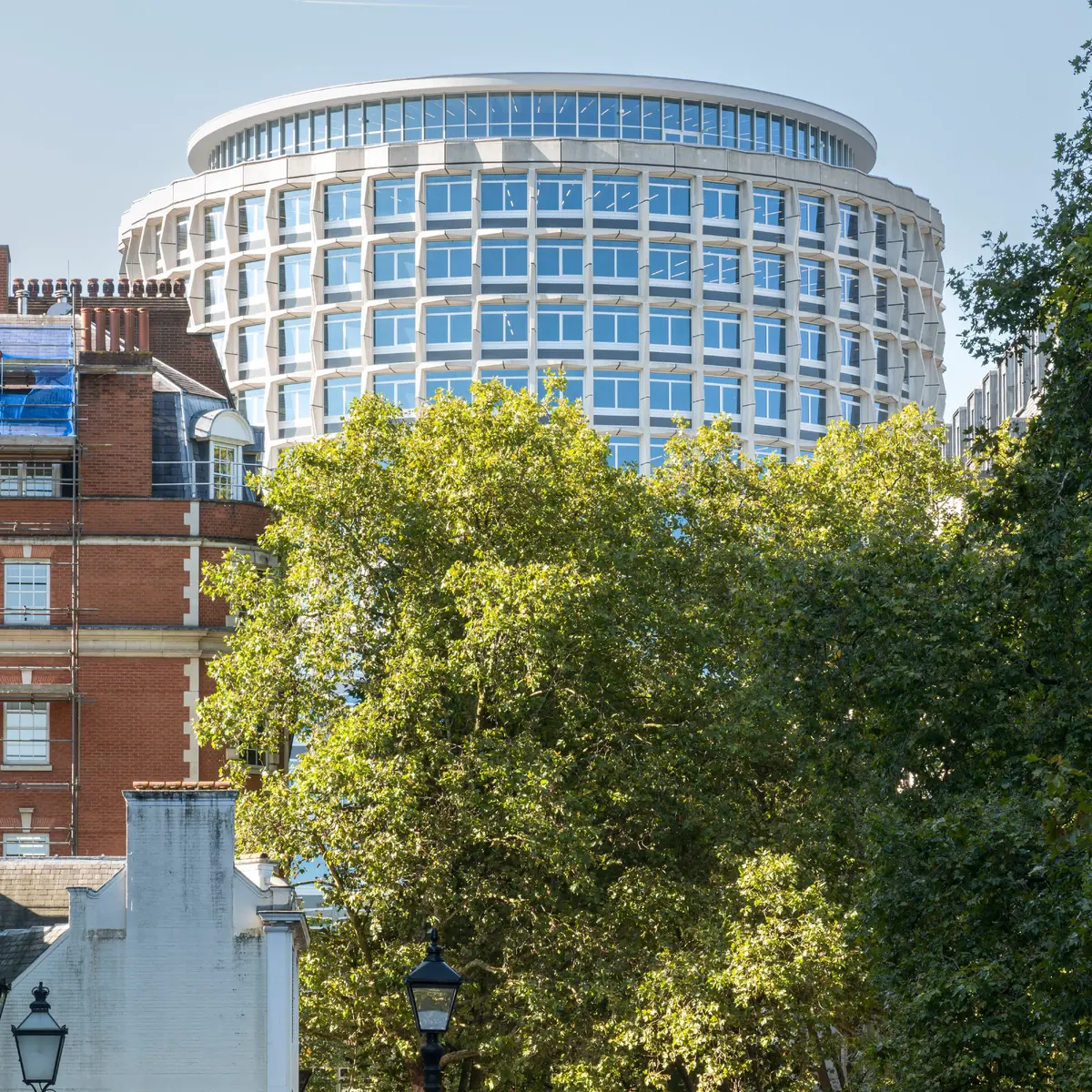
The iconic Grade II-listed Space House has been sensitively refurbished and extended by Squire &Partners for Seaforth Land and QuadReal. A symbol of the 1960s commercial property boom, Space House was designed by Richard Seifert and Partners and is known for its innovative architecture, with a distinctive cylindrical tower, rectilinear block and connecting bridge.
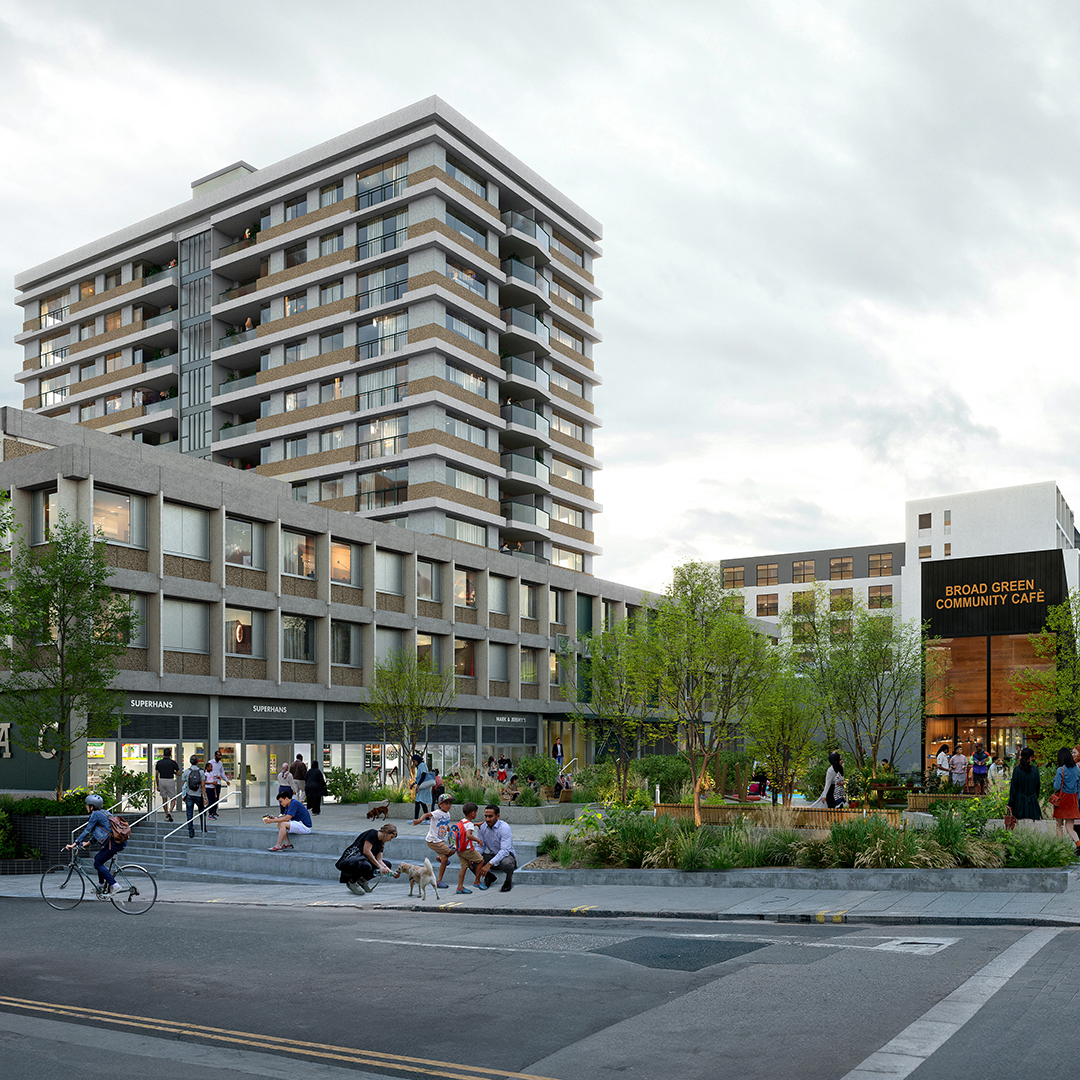
Zodiac sees the transformation of a worn-out, concrete 1960s complex in West Croydon into 73 high quality homes for families at risk of homelessness, with new community facilities and a new public square. It demonstrates a commercially viable and sustainable retrofit model that serves both new and existing residents, local community groups, and the Council, all within the framework of the site’s unique architectural context.
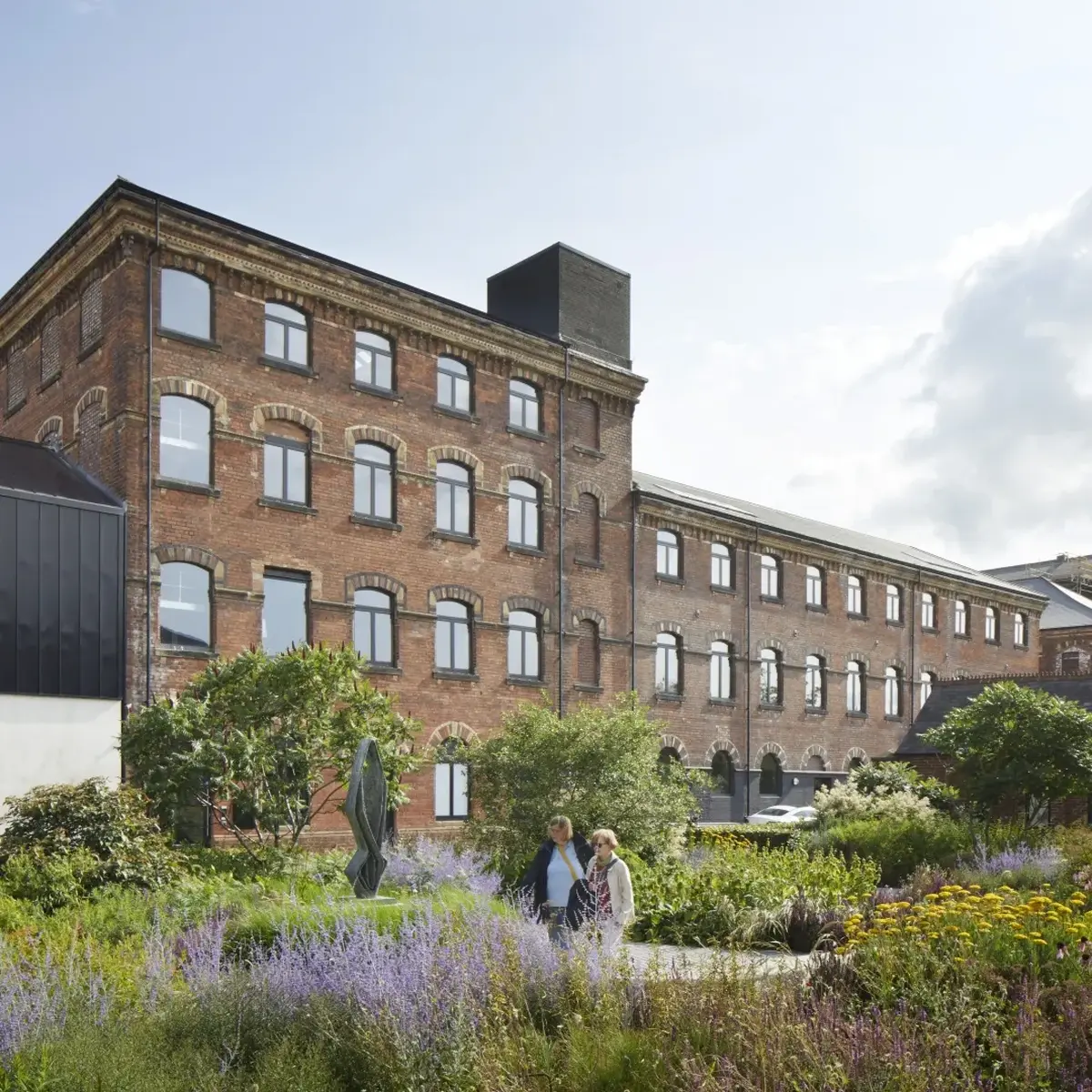
Tileyard North is the final piece of a regeneration masterplan breathing new life into Wakefield’s waterfront, converting several long-derelict Grade II-listed mills into a world-class mixed-use creative and cultural cluster. The fully occupied Phase 1 reimagines four mill buildings, creating a new public square that accommodates a wide range of uses, including recording studios, an event space, and a gin distillery.
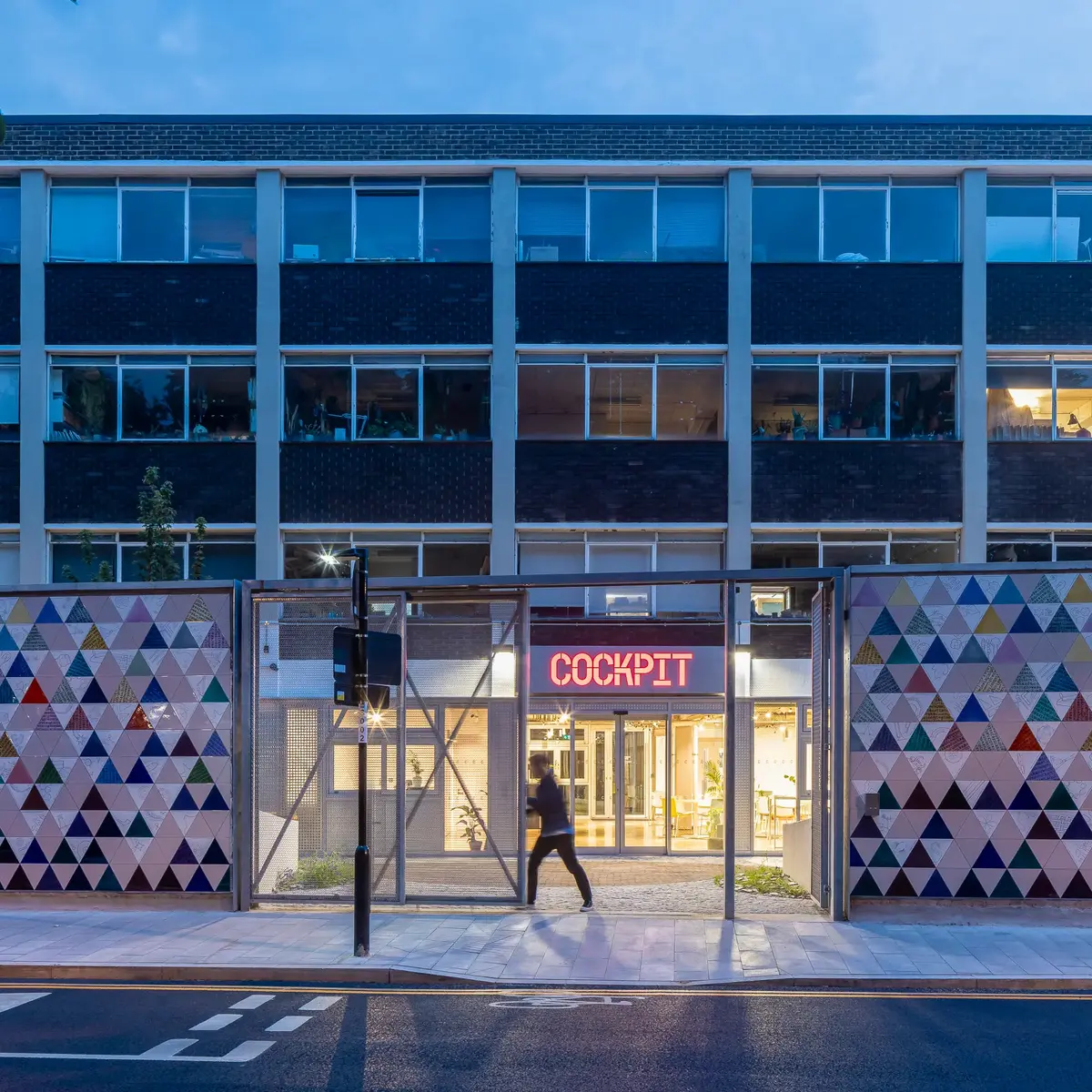
Cockpit Deptford transforms a 1960s former council building housing 60 craft studios, adding 20 new affordable spaces and public amenities. A 6m-wide opening in the street façade activates a previously hidden yard as a welcoming craft garden. A new timber workshop provides specialist fabrication facilities. Through thoughtful retrofit rather than demolition, the project preserves embodied carbon whilst dramatically improving environmental performance.